Walk into any beauty retailer, scroll social media for five minutes, or open a glossy magazine and you’ll be hit with promises of “glass skin,” miracle serums, overnight transformations and celebrity-endorsed skincare routines.
And honestly? It’s no wonder people feel overwhelmed.
One week everyone is talking about snail mucin. The next it’s salmon sperm facials, barrier creams, skin flooding or collagen masks. Skincare trends move fast, and brands know exactly how to market them.
But here’s the important question:
Are trend-led products actually delivering meaningful skin change… or are they simply delivering great marketing?
Because there is a difference between products designed to trend and products designed to truly perform.
And as skin professionals, we see that difference every single day.
The Rise of “Trend-Led” Skincare
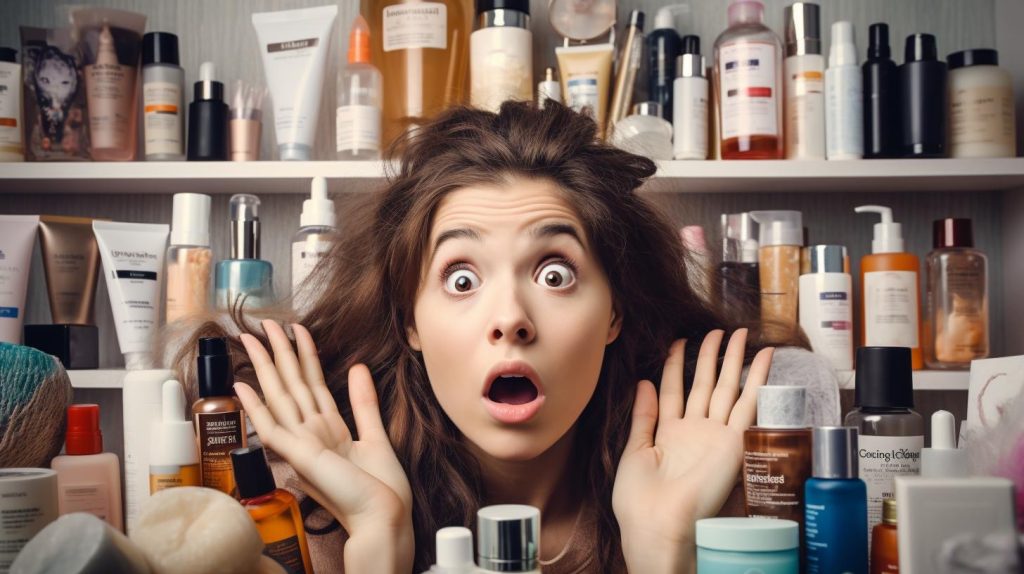
Trend-led skincare is exactly what it sounds like, products created and marketed around hype, virality and consumer trends.
These products are often:
- Endorsed by influencers or celebrities
- Backed by huge advertising budgets
- Packaged beautifully
- Designed to photograph well
- Marketed with dramatic claims
- Focused on fast sales rather than long-term skin health
Now, that doesn’t automatically mean they’re “bad.”
Some trend-led products contain decent ingredients. Some can absolutely support the skin in a basic way.
But many are formulated to create excitement rather than genuine transformation.
And that’s where consumers can get confused.
Because skincare marketing is incredibly clever.
Words like:
- “Clinically proven”
- “Dermatologist approved”
- “Medical grade”
- “Clean”
- “Active”
- “Professional strength”
…sound impressive, but they often tell you very little about how effective a product actually is.
What Professional Skincare Does Differently
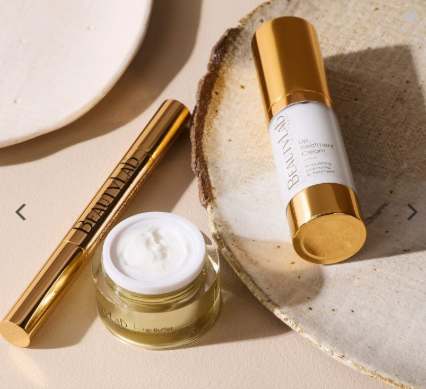
Professional skincare brands are typically built around skin function, formulation science and clinical outcomes rather than trends.
The focus is less about:
“What will go viral?”
And more about:
“What will genuinely improve the skin?”
That means professional products are usually developed with:
- Higher quality raw ingredients
- More stable formulations
- Better delivery systems
- Correct pH levels
- Clinically effective percentages of actives
- Ingredient combinations that work synergistically
- Long-term skin health in mind
This is where skincare becomes much more technical than most people realise.
Because it’s not just what ingredient is inside a product that matters.
It’s:
- the percentage,
- the stability,
- the molecular structure,
- the delivery method,
- the formulation environment,
- and whether the skin can actually utilise it effectively.
Not All Active Ingredients Are Created Equal
This is one of the biggest misconceptions in skincare.
A product may advertise:
“Contains Vitamin C.”
But:
- What type of Vitamin C?
- At what percentage?
- Is it stable?
- Is it oxidising before it even reaches the skin?
- Is the packaging protecting it from light and air?
- Is the pH correct for absorption?
Because a poorly formulated Vitamin C serum can be almost useless — regardless of how expensive or popular it is.
The same applies to:
- Retinol
- Peptides
- Hyaluronic Acid
- Niacinamide
- AHAs
- Growth factors
You can’t judge a product simply by the ingredient list or what’s trending online.
Two products may contain the “same” ingredient, yet perform completely differently on the skin.
Percentage Matters, But So Does Formulation
Consumers are becoming more ingredient-aware, which is fantastic.
But higher percentages do not always mean better results.
In fact, one of the biggest issues we now see is overuse of strong actives because social media has normalised aggressive skincare routines.
People are layering:
- exfoliating acids,
- retinoids,
- scrubs,
- peels,
- and barrier-disrupting ingredients
…without understanding how skin physiology actually works.
The result?
Compromised skin barriers.
Chronic inflammation.
Sensitivity.
Persistent dehydration.
Reactive skin.
Breakouts disguised as “purging.”
Professional skincare focuses on intelligent formulation rather than simply pushing high-strength actives for marketing purposes.
Sometimes a beautifully formulated 0.3% retinaldehyde product will outperform a poorly formulated 1% retinol serum that leaves the skin irritated and inflamed.
Because healthy skin responds better than stressed skin. Always.
Delivery Systems: The Part Nobody Talks About
One of the biggest differences between professional and trend-led skincare is delivery technology.
This is the science of how ingredients penetrate the skin.
Because applying ingredients onto the surface of the skin does not automatically mean the skin can effectively use them.
Professional brands often invest heavily in:
- liposomal delivery systems,
- encapsulation technology,
- time-release actives,
- transdermal delivery methods,
- and stabilisation technologies.
These systems help ingredients reach the correct layers of the skin while reducing irritation and improving results.
This level of formulation science is expensive.
Which is why truly advanced skincare products are rarely cheap.You are not simply paying for a label.
You are paying for research, development, testing, ingredient quality and delivery technology.
Why Professional Guidance Matters
Skincare is no longer simple.
Consumers are now mixing products based on TikTok recommendations, influencer routines and online reviews from people with completely different skin conditions.
But skin is individual.
What works beautifully for one person may completely disrupt another person’s skin barrier.
Professional consultation matters because we assess:
- skin condition,
- barrier function,
- inflammation levels,
- sensitivity,
- hydration,
- lifestyle,
- hormones,
- age-related changes,
- and long-term skin goals.
Not trends.
And often the best skincare routine is actually a simpler, more strategic one.
The Hidden Cost of Trend Chasing
One thing we see frequently in clinic is clients spending hundreds of pounds trying product after product after product without ever seeing consistent results.
Not because they aren’t trying hard enough.
But because they’ve been sold trends instead of strategy.
Skin improvement comes from consistency, correct formulation and professional guidance — not constantly switching products every time social media decides there’s a new miracle ingredient.
Good skin is rarely created overnight.
It’s built gradually through:
- skin health,
- barrier support,
- collagen stimulation,
- controlled correction,
- and long-term consistency.
So… Are Trend-Led Products Always Bad?
No.
Some are enjoyable.
Some offer temporary hydration or glow.
Some can absolutely have a place in a routine.
But there’s a difference between:
“this is trending”
and
“this is clinically effective.”
And understanding that difference helps consumers make far more informed choices for their skin.
Professional skincare isn’t about hype.
It’s about formulation integrity.
Skin science.
Consistency.
And achieving real, sustainable skin health rather than chasing the latest beauty trend.
Because healthy skin will always outlast a trend.
Not Sure How to Choose the Right Skin Specialist?
Finding a trustworthy, knowledgeable skincare professional can feel overwhelming, especially when everyone claims to be an expert.
To help you make an informed decision, we’ve created a complimentary guide:
5 Costly Mistakes to Avoid When Choosing a Skincare & Permanent Makeup Specialist
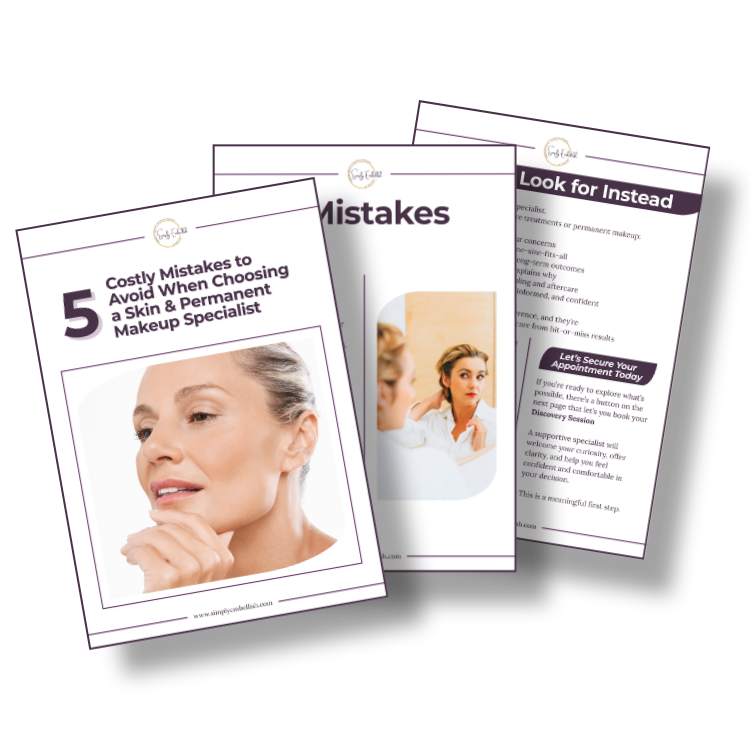
Inside, you’ll discover:
- The most common mistakes people make when selecting a practitioner
- Red flags to watch out for
- The questions you should always ask before booking
- How to identify genuine expertise and experience
- What can affect your results and your safety
This guide has been designed to help you make confident, informed choices and avoid the pitfalls that can lead to disappointment.