Collagen: What Is It, Why Do We Need It, and How Can We Support It?

Collagen is a word we hear frequently in the skincare and anti-ageing world, but what exactly is it, why is it so important, and what happens to it as we get older?
Collagen plays a fundamental role in the structure, strength and resilience of our bodies. It is particularly important for the skin, where it helps maintain firmness, elasticity and a smoother, more youthful appearance. However, its benefits extend far beyond the surface, supporting our bones, tendons, ligaments, cartilage and other connective tissues.
Understanding how collagen works, what causes it to break down and how we can support its production can help us make more informed decisions about our skin health and overall wellbeing.
What Is Collagen?
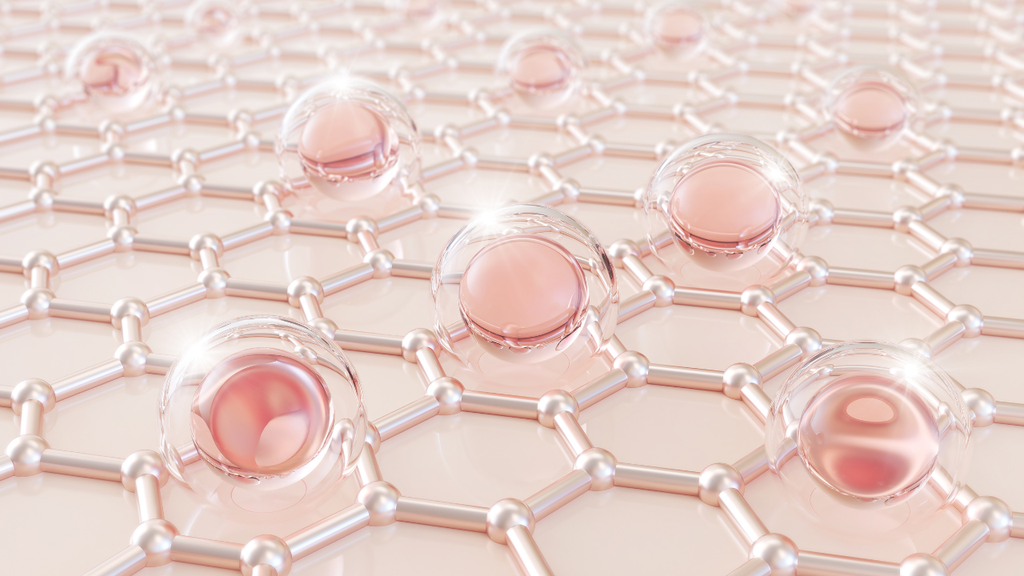
Collagen is the most abundant structural protein in the human body, accounting for approximately 25–35% of the body’s total protein. It provides strength, structure and support to the skin, bones, tendons, ligaments, cartilage and other connective tissues.
You can think of collagen as the body’s internal scaffolding.
Collagen is made from amino acids, primarily glycine, proline and hydroxyproline, which are arranged into a distinctive triple-helix structure. This arrangement gives collagen its strength and durability, allowing it to provide structural support throughout the body.
Although collagen is particularly well known for its role in maintaining youthful-looking skin, it is essential for much more than our appearance. It contributes to the integrity of our skeleton, supports movement and helps maintain the structure of many of the body’s tissues.
Where Is Collagen Found in the Body?
Collagen is found throughout the body, particularly in connective tissues. Its role varies depending on the tissue in which it is located.
Key areas include:
● Skin: Provides structural support, helping maintain firmness, elasticity and resilience.
● Bones: Contributes to the framework that gives bones their strength and flexibility.
● Tendons and ligaments: Helps provide the strength and stability needed to connect muscles to bones and bones to one another.
● Cartilage: Supports the structure of cartilage, helping it withstand pressure and movement.
● Other connective tissues: Helps maintain the structure and integrity of tissues and organs throughout the body.
Collagen also plays an important role in various cellular processes, including tissue repair, immune responses, cellular communication and cellular migration. These processes are essential for maintaining healthy tissues and supporting the body’s natural repair mechanisms.
The Different Types of Collagen: Types I, II and III Explained
You may have noticed that collagen supplements often refer to Type I, Type II or Type III collagen. But what does this mean, and why does the type matter?
Scientists have identified at least 28 types of collagen in the human body. Although they all help provide structure and support, they are found in different tissues and perform different functions.
The three types most commonly discussed in relation to skin, connective tissue and collagen supplements are Types I, II and III.
Type I Collagen: The Main Structural Collagen and accounts for approximately 90% of the collagen in the body.
Type I collagen is found in:
- Skin, where it helps maintain firmness and structural integrity.
- Bones, where it contributes to strength.
- Tendons and ligaments, where it helps provide tensile strength.
- Other connective tissues throughout the body.
When it comes to skin health, Type I collagen is especially relevant because it forms a major part of the skin’s structural framework.
Type II Collagen: Essential for Cartilage and Joint Structure
It is the main collagen found in cartilage, the supportive tissue that cushions and protects the ends of bones at joints.
It helps cartilage withstand pressure and supports the structure needed for comfortable movement.
Type III Collagen: Supporting Skin and Soft Tissues
This is another important structural protein, often found alongside Type I collagen.
It is present in:
- Skin, where it contributes to the supporting framework.
- Blood vessels, helping maintain their structural integrity.
- Internal organs and other soft connective tissues.
In the skin, Types I and III work together to provide structural support. Type I contributes much of the skin’s tensile strength, while Type III is associated with the organisation and support of softer tissues.
What Happens to Collagen as We Age?

As we age, our natural collagen production gradually declines. At the same time, existing collagen can become damaged, fragmented and more loosely organised.
In the skin, these changes can contribute to familiar signs of ageing, including:
● Fine lines and wrinkles.
● Reduced firmness and elasticity.
● Skin that appears looser or more sagging.
● Dryness and a less supple texture.
● A gradual loss of the skin’s resilience and structural support.
These changes do not happen overnight. They develop gradually and are influenced by a combination of natural ageing, genetics, hormonal changes and environmental and lifestyle factors.
Collagen loss also affects other parts of the body. The integrity of collagen within the skeletal system can decrease with age, contributing to changes in bone quality and strength.
Although some collagen loss and damage are natural parts of ageing, certain dietary and lifestyle factors can accelerate the process.
What Causes Collagen Loss and Damage?
Collagen naturally declines as we age, but our lifestyle and environment can influence how quickly it breaks down.
- Ageing: As we get older, our bodies produce less collagen, gradually affecting the skin’s firmness, elasticity and resilience.
- Sun exposure: UV rays damage existing collagen and accelerate premature skin ageing, contributing to wrinkles and loss of firmness.
- Smoking: Smoking increases oxidative stress and interferes with collagen production and the skin’s natural repair processes.
- Excessive alcohol: Heavy alcohol consumption can contribute to inflammation and affect the processes that help maintain healthy skin.
- Diet: A diet high in added sugar and ultra processed foods may contribute to glycation, a process that can make collagen less flexible. A diet lacking variety can also leave the body short of nutrients needed for normal collagen production.
Collagen supplement: What should you look for?
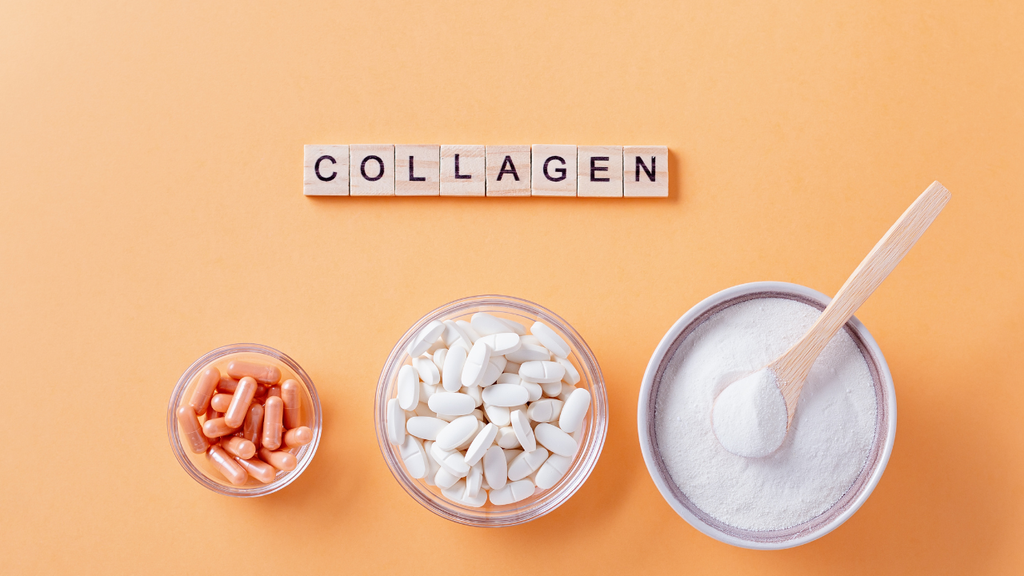
Choosing a collagen supplement can be confusing. Powder capsules liquids and ready to drink products or make different Claims, so it helps to focus on a few key points.
1 Clearly identified collagen peptides
Look for a product that clearly states it contains hydrolyse collagen peptides. The labour should also identify
- the type of collagen used, Type I, II, and/or III
- The source of the collagen
- The amount provided per daily serving
2 Supporting nutrients,Including vitamin C
3 A clearly stated source
Collagen may come from bovine marine porcine or other animals sources
These sources matter because of allergies, dietary preferences, religious requirements, ethical consideration and personal choice
4 Appropriate quality standards
Eruptible collagen supplement should be manufactured under suitable quality and safety controls
5 A format you can take consistently
What should you avoid?
Be cautious of products with:
- An unclear collagen sauce
- An unclear daily dose
- Hidden ingredient amount or proprietary blends
- Unnecessary additives
- Excessive vitamins or minerals
- Exaggerated promises to erase wrinkles reverse aging or tighten the skin
- Little information about manufacturing testing or traceability
How long might it take to notice a difference?
Collagen supplements are not an overnight treatment. Studies have commonly assessed skin hydration and elasticity after approximately 8 to 12 weeks or longer some people notice a difference, while others may not not results can vary depending on the product dose diet age skin condition and other lifestyle factors.
Improved hydration and elasticity should not be confused with reversing wrinkles or stopping the natural aging process.
When choosing a collagen supplement, look for clearly identified hydrolysed collagen peptides, a transparent daily dose, I clearly stated source, appropriate quality control, a format you can take consistently and a clear cost per Gram.
Collagen supplements may be one part of a broad approach to supporting skin health. It should be considered alongside a balanced diet, adequate protein, sun protection, appropriate Skincare, sleep and other healthy lifestyle habits.