Understanding The Real Differences Before You Decide
If you’ve been researching brow treatments, you’ve probably come across a lot of conflicting information about microblading and permanent makeup.
One says it’s more “natural.”
The other says it lasts longer.
Some say one is outdated… others swear by it.
It’s no wonder people feel unsure about what’s actually right for them.
So let’s break it down properly, no hype, no confusion, just a clear explanation of how they differ and what that means for your skin.
What is Microblading?
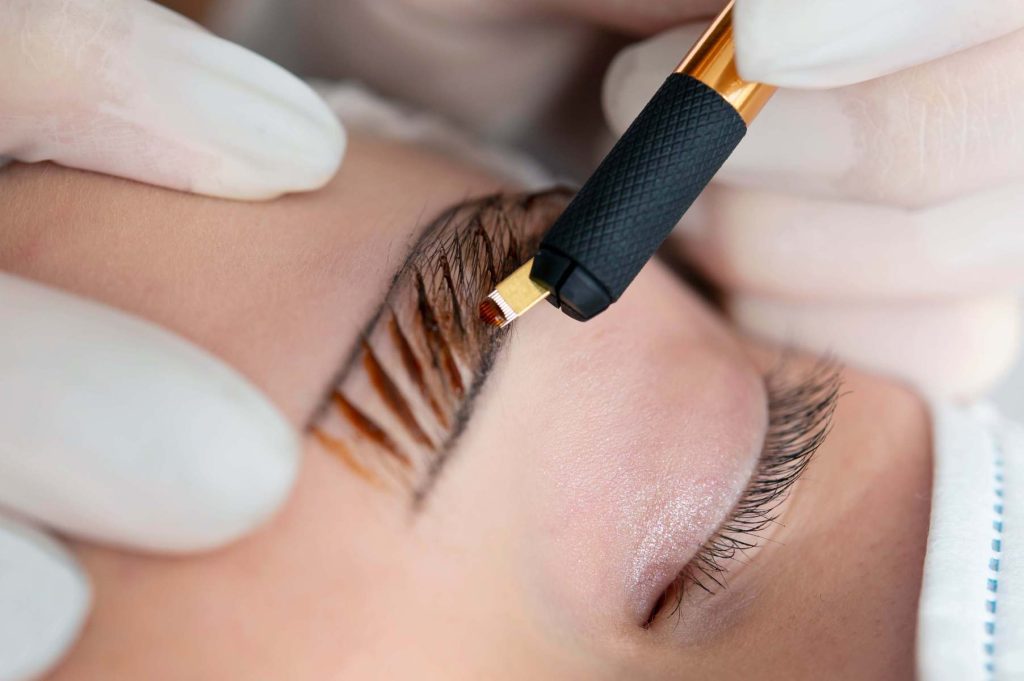
Microblading isn’t a new treatment, it’s actually been around for over 25 years.
Before digital machines became widely available, handheld tools were the only method technicians had. Microblading is essentially a modern, refined version of that original technique.
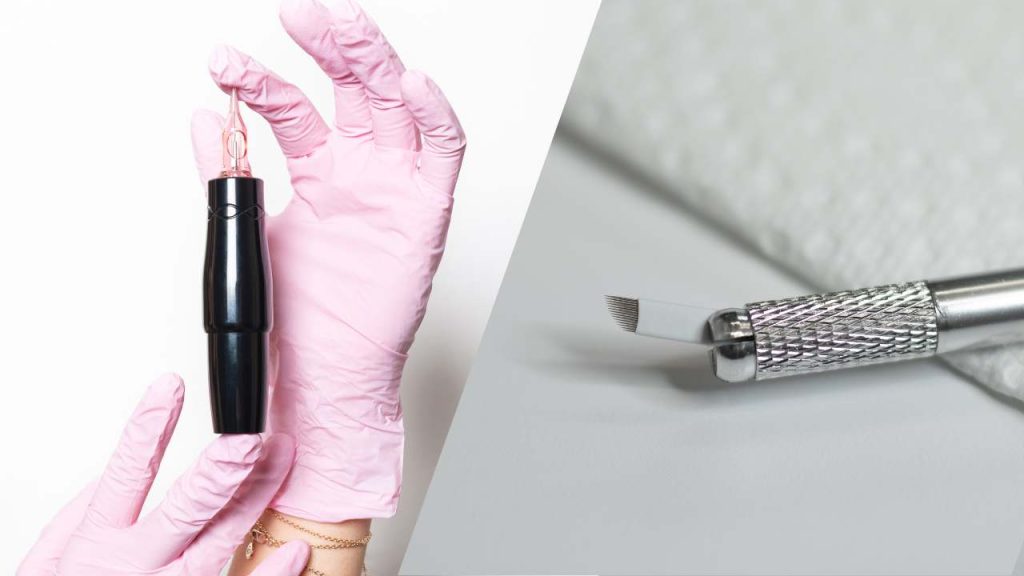
It’s performed using a manual handheld tool with a row of very fine needles. The tool is dipped into pigment and gently drawn across the skin to create small, hair-like strokes.
This creates a shallow groove in the skin, where pigment is deposited. As the skin heals over the following weeks, those strokes become visible as “hair” within the brow.
Because this method relies entirely on the technician’s hand pressure, results can vary:
- Too much pressure → the stroke may be too deep and risk scarring
- Too little pressure → the pigment may not hold well
What is Permanent Makeup or Micropigmentation
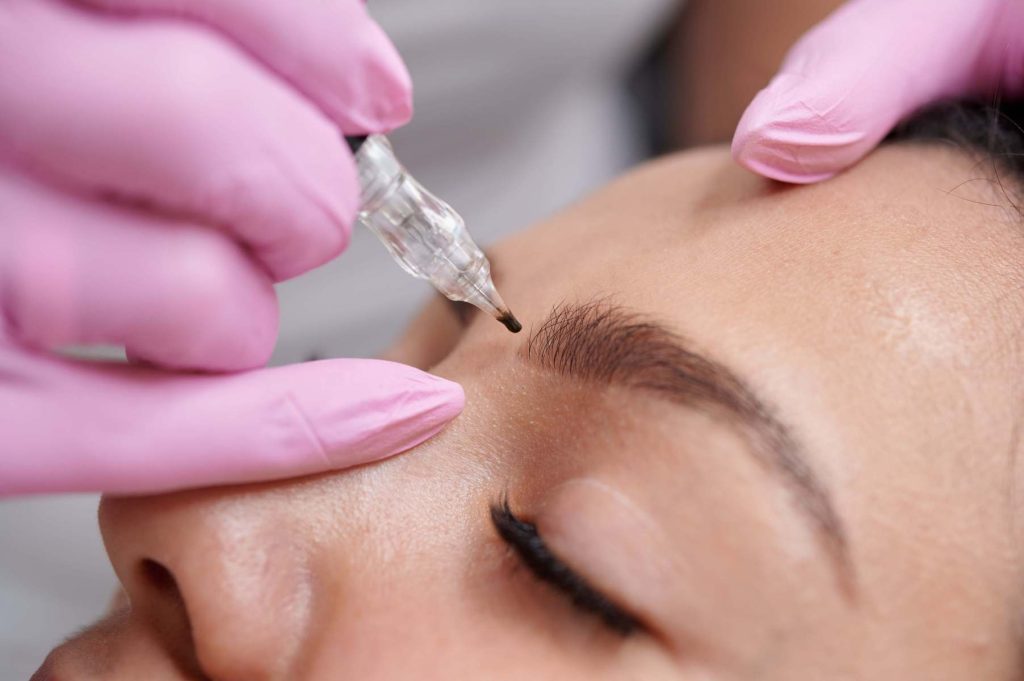
Permanent makeup, also known as semi-permanent makeup or micropigmentation, is performed using a digital machine.
This device uses a fine needle (or group of needles) that moves rapidly up and down, creating tiny, evenly spaced punctures in the skin. Pigment is gently implanted into these micro-channels.
Modern machines are highly advanced and designed to:
- Create consistent depth
- Minimise trauma to the skin
- Deliver pigment more evenly
There’s also a cartridge system that holds pigment, allowing a more controlled and consistent flow into the skin compared to a manual tool.
The Key Differences
1. Skin Trauma
Microblading involves a slicing motion across the skin, which can create more trauma, especially if too much pressure is used.
Permanent makeup uses a controlled, vertical motion, which is generally gentler when performed correctly.
2. Pigment Placement & Healing
With microblading, pigment sits in a straight groove. As it heals, this can sometimes result in strokes appearing slightly ashy or blurred over time.
With machine work, pigment is distributed more evenly through the skin, allowing for softer, more blended results and better colour retention.
3. Longevity
Microblading typically fades faster because less pigment is implanted.
Permanent makeup tends to last longer due to:
- Deeper (but still safe) and more consistent implantation
- Greater pigment saturation
Both treatments require:
- A top-up at 4–8 weeks
- Ongoing maintenance over time
But microblading usually needs more frequent refreshes.
4. Suitability for Skin Types
This is a big one, and often overlooked.
Microblading is not suitable for everyone, particularly:
- Oily skin
- Larger pores
- Thicker or more textured skin
In these cases, strokes can blur or fade unevenly.
Permanent makeup is generally more versatile and suitable for a wider range of skin types.
5. Results & Style
Here’s where a lot of confusion comes in…
Many clients ask specifically for microblading, when what they actually want is:
- Soft, natural-looking brows
- Hair strokes
- Definition without heaviness
But here’s the key point:
Both microblading and machine techniques can create these results.
Permanent makeup can achieve:
- Soft hair strokes
- Powder brows
- Combination brows (strokes + shading)
So it’s not about the method, it’s about the result you’re looking for.
So… Which One is Better?
It’s not about one being “better” across the board.
It’s about:
- Your skin type
- Your lifestyle
- How long you want the results to last
- The look you’re trying to achieve
However, with advancements in technology, many experienced technicians now favour machine work because it offers:
- More control
- Greater consistency
- Longer-lasting results
- Better suitability across different skin types
A Quick Word on Cost
With the rise in popularity of these treatments, the industry has become saturated with low-cost options.
It can be tempting to choose based on price, but this is one area where that decision can backfire.
This treatment involves your face, your skin, and results that last for years.
Experience, training, and skill matter hugely here, and correcting poor work is often far more costly than doing it properly the first time.
Final Thoughts
If you’re feeling unsure about which route to take, you’re not alone.
Most people don’t actually need to decide between microblading and permanent makeup themselves—that’s what a good consultation is for.
The right practitioner will:
- Assess your skin
- Understand your goals
- Recommend the most suitable method for you
Not just offer one technique and fit you into it.
Want To Feel More Confident Before Choosing A Permanent Makeup Artist?

If you’re reading this blog because you’re considering treatment, and want to avoid some of the most common mistakes people make when choosing a permanent makeup and skincare specialist, we’ve created a complimentary guide to help you.
Avoiding 5 Common Errors When Choosing a Permanent Makeup & Skincare Specialist was designed to help you ask the right questions, understand what to look for, and feel more confident before making any decisions.
If you’d like a copy, simply click the link below and we’ll be happy to send it to you. Sometimes knowing what not to do can be just as important as knowing what treatment to choose.